Spare Parts Storage in Saudi Arabia: 2026 Guide
Efficient spare parts storage in Saudi Arabia keeps machines running, fleets on the road, and production lines uninterrupted. When a critical component fails, the speed at which you locate and ship a replacement decides whether downtime lasts hours or days. This 2026 guide explains how organized parts warehousing cuts costs, protects inventory, and strengthens your entire operation.
Manufacturers, automotive dealers, and industrial firms across Riyadh, Jeddah, and Dammam depend on well-managed parts inventories. Below, we cover storage methods, organization systems, cost drivers, and answers to the questions maintenance teams ask most.
Why Dedicated Spare Parts Storage Matters
Spare parts range from tiny fasteners to heavy engine components, and each carries a different value and risk. Poor storage leads to lost items, corrosion, and expensive emergency reorders.
Professional Storage for Spare Parts gives you structured racking, climate protection, and inventory tracking so the right component is always findable and in usable condition.
Industries That Rely on Parts Storage
- Automotive dealerships and repair networks
- Manufacturing and heavy machinery operators
- Oil, gas, and energy maintenance teams
- Construction equipment fleets
- Electronics and appliance service centers
How to Organize a Spare Parts Warehouse
Organization separates a fast warehouse from a frustrating one. A logical layout reduces search time and prevents costly stockouts.
Classify by Movement Speed
Group parts into fast-moving, medium, and slow-moving categories. Place frequently used items near dispatch points and reserve deeper storage for rarely needed stock.
Use Barcode and Bin Systems
Assign every part a unique code and bin location. Scanning at receipt and dispatch keeps records accurate and speeds up picking.
Protect Sensitive Components
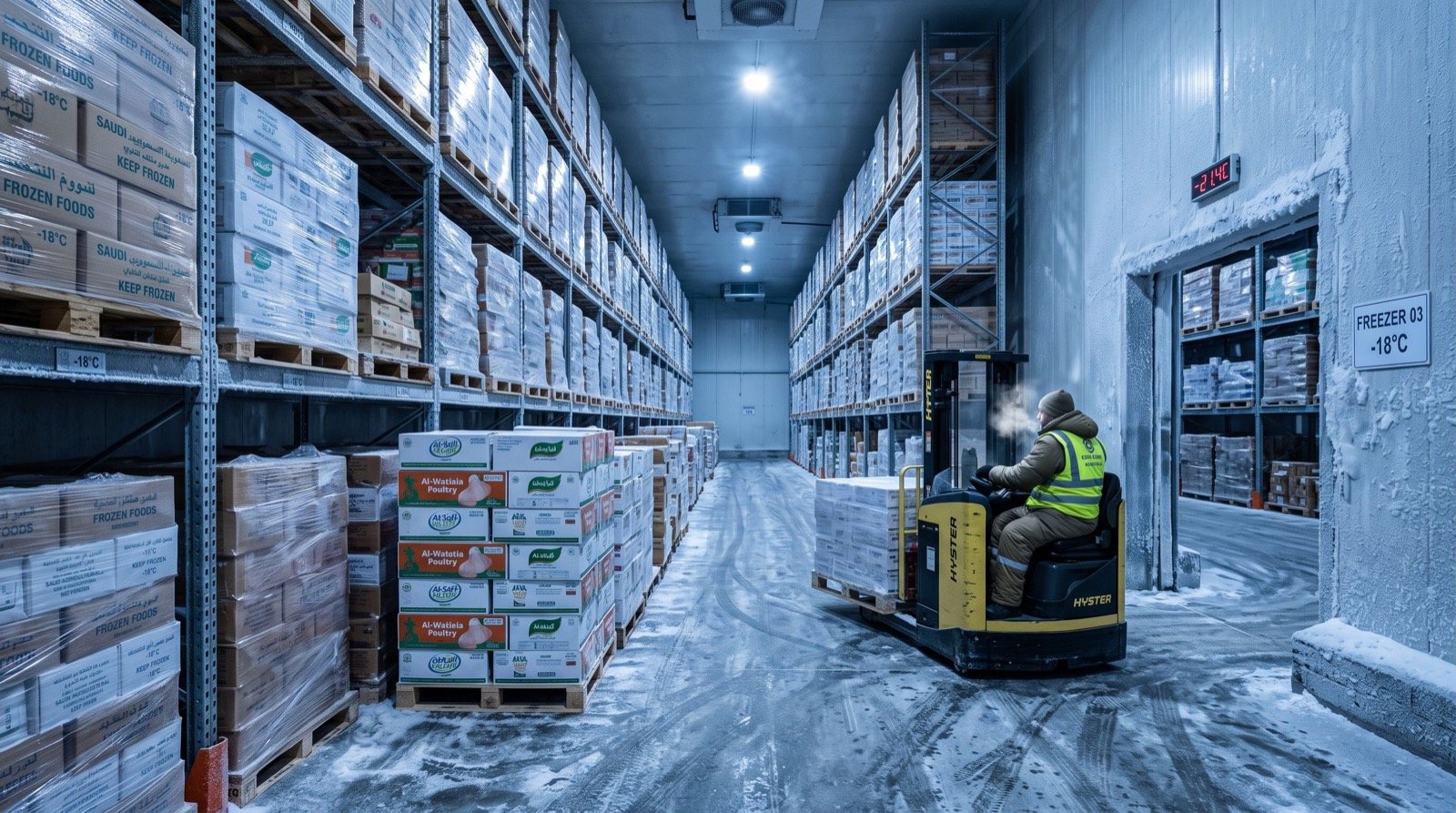
Electronic modules, rubber seals, and lubricants degrade in heat and humidity. Store them in controlled zones, and remember that some temperature-critical inventory may even need Frozen Storage to preserve chemical stability.
What Drives Spare Parts Storage Costs?
Understanding cost drivers helps you budget and negotiate. The table below compares common warehousing approaches.
| Approach | Cost Driver | Best For |
|---|---|---|
| In-house storeroom | Space and staff overhead | Single-site operations |
| 3PL parts warehousing | Usage-based fees | Multi-branch networks |
| Consignment stock | Supplier-managed inventory | High-value OEM parts |
| Regional hub | Central distribution cost | Nationwide fleets |
Outsourcing to a third-party logistics provider often lowers total cost by converting fixed warehouse expenses into flexible, demand-based fees.
Reducing Downtime With Smart Inventory Control
Downtime is the hidden cost of poor parts management. Every idle machine drains revenue while teams wait for components.
Set minimum stock levels for critical parts and automate reorder alerts. Partnering with an experienced local team for warehousing gives you faster replenishment and expert handling that protects fragile inventory.
Key Metrics to Track
- Stock accuracy rate, ideally above 98 percent
- Order fulfillment time from request to dispatch
- Carrying cost as a share of inventory value
- Dead stock percentage to spot obsolete parts
- Emergency order frequency signaling planning gaps
The Saudi Logistics Landscape in 2026
Saudi Arabia is scaling its industrial base and localizing manufacturing under national programs. Rising factory output and vehicle numbers push demand for reliable parts warehousing across the Kingdom. Industry standards from bodies like the International Organization for Standardization guide best practices in warehousing and supply chain quality.
As supply chains grow more complex, centralized parts hubs near major cities help distributors serve customers faster while keeping inventory costs under control.
Practical Tips From the Warehouse Floor
Based on hands-on experience managing parts inventories, these steps deliver quick wins:
- Conduct cycle counts weekly instead of one large annual audit.
- Store heavy parts on lower shelves to improve safety and access.
- Keep a sealed spares kit for your most failure-prone equipment.
- Label shelf life on lubricants, seals, and batteries.
- Review slow-moving stock quarterly and liquidate obsolete items.
An overlooked insight: track which parts fail together. Bundling related components in one bin speeds repairs and reduces repeat trips to the shelf.
Digital Tools for Modern Parts Management
Spreadsheets no longer keep pace with complex parts inventories. Digital systems now drive accuracy and speed on the warehouse floor.
Inventory management software links every part to a location, supplier, and reorder point. When stock drops below a threshold, the system generates a purchase order automatically, closing the gap that causes downtime.
Capabilities That Deliver Real Value
- Predictive reordering based on historical usage patterns
- Supplier lead-time tracking to plan safety stock
- Mobile scanning for instant receipt and dispatch updates
- Reporting that exposes dead stock and slow movers
- Integration with maintenance schedules for planned repairs
Pairing software with a professional warehouse gives maintenance teams confidence that critical parts are always available and accurately counted.
Handling High-Value and Hazardous Parts
Some components demand special care beyond standard shelving. Getting this wrong risks safety and compliance penalties.
Store batteries, aerosols, and flammable fluids in ventilated, fire-rated zones separated from general stock. Keep high-value electronic modules in access-controlled areas with full audit trails.
A practical field lesson: keep manufacturer documentation and safety data sheets stored alongside hazardous parts. When an inspection or emergency happens, having paperwork on hand saves hours and demonstrates a well-run operation.
Frequently Asked Questions
How should I organize spare parts for fast retrieval?
Classify parts by how often they move, assign each a unique bin and barcode, and keep fast-moving items near dispatch. This layout cuts picking time and reduces errors.
Do all spare parts need climate-controlled storage?
No, but sensitive components like electronics, seals, and lubricants do. Store these in temperature-controlled zones, and use frozen storage for any chemically unstable inventory that requires it.
Is outsourcing spare parts storage cheaper than in-house?
For multi-branch or nationwide operations, third-party warehousing often costs less because it replaces fixed overhead with flexible, usage-based fees and professional handling.
How do I prevent stockouts of critical parts?
Set minimum stock thresholds, automate reorder alerts, and monitor emergency order frequency. A responsive logistics partner ensures fast replenishment when levels drop.
Conclusion
Reliable spare parts storage in Saudi Arabia shortens downtime, controls costs, and keeps your operation resilient through 2026. Organize by movement speed, protect sensitive components, and track the metrics that reveal inefficiency. Ready to safeguard your critical inventory? Connect with an experienced Saudi warehousing team and keep every part exactly where you need it.