Solar Installation Company: How the Process Really Works
Most homeowners picture solar installation as a crew bolting panels to a roof for an afternoon. The truth is more involved, and understanding the full journey helps you spot a professional solar installation company from an amateur one. Every stage, from the first site visit to the final grid connection, leaves clues about quality.
This walkthrough follows a real project timeline as it unfolds in 2026, so you know what to expect and where things commonly go wrong. Knowledge here is leverage: an informed client is much harder to shortchange.
Stage One: The Site Survey and Load Audit
Serious installers never quote from a phone photo. They visit, measure the usable roof area, check the roof’s structural condition, and study shading across the day. They also audit your electricity bills to understand your consumption pattern.
This survey shapes everything that follows. An accurate load audit prevents the two classic failures: an undersized system that disappoints, or an oversized one that wastes money. If a company skips this step, walk away.
What a good survey captures
- Roof orientation, tilt, and available unshaded area
- Structural strength and waterproofing condition
- Shading from tanks, parapets, trees, and neighbouring buildings
- Existing wiring, distribution board capacity, and earthing quality
- Twelve months of consumption to size the array correctly
Stage Two: Design, Simulation, and Proposal
With survey data in hand, a competent solar installation company builds a digital model of your system. Simulation software predicts monthly generation, factoring in local irradiance and shading losses. This is where science replaces guesswork.
The National Renewable Energy Laboratory has long shown that accurate performance modelling depends on real site data rather than generic averages. A proposal built on simulation gives you realistic expectations instead of inflated sales promises.
Stage Three: Procurement and Installation
Once you approve the design, the company procures components and schedules the physical work. This is the visible part, though it should account for less drama than most people expect if the earlier stages were done properly.
A clean installation follows a predictable order:
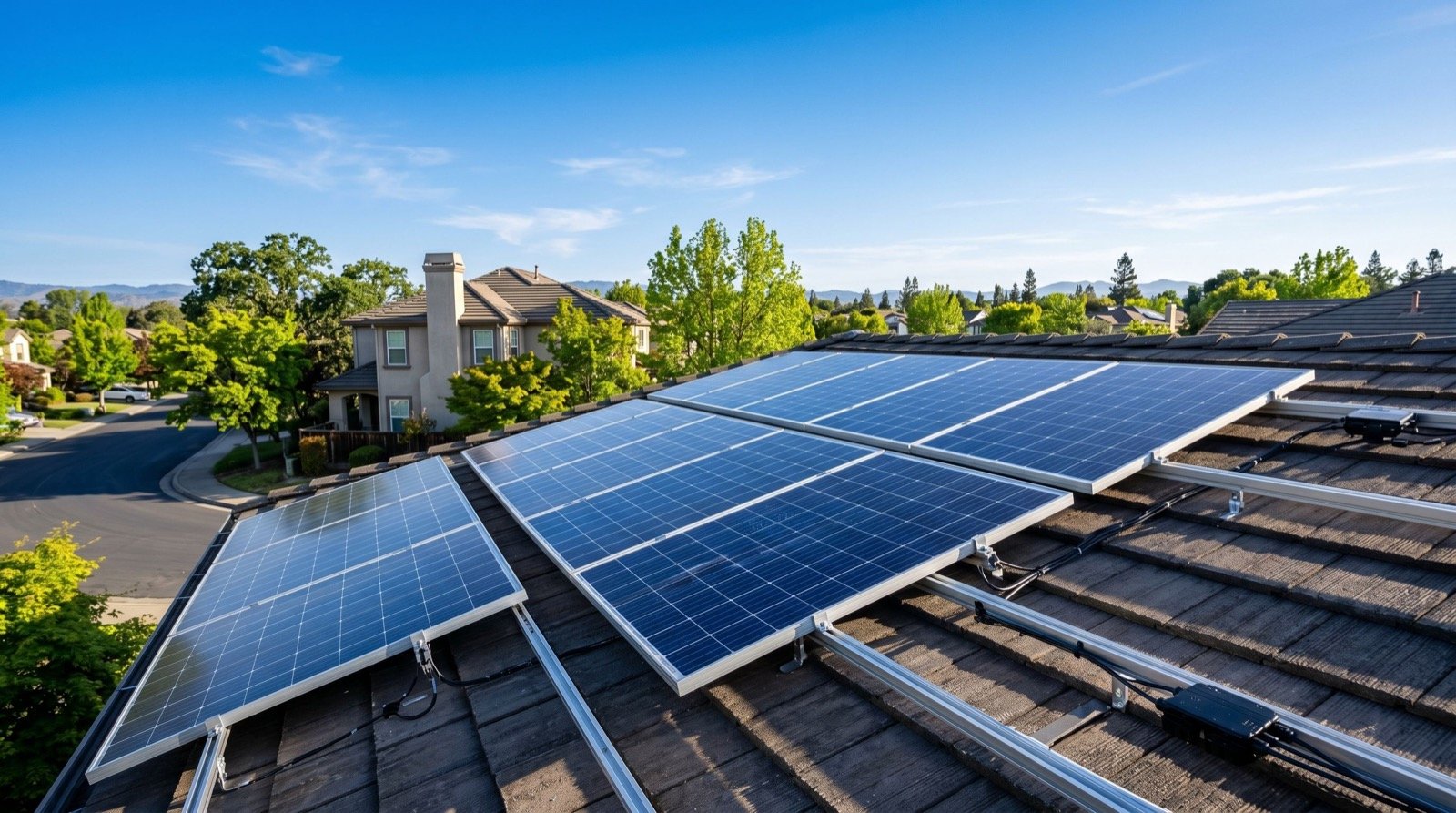
- Mounting structure is anchored and waterproofed.
- Panels are secured and torqued to specification.
- DC wiring is routed, labelled, and protected.
- Inverter and protection devices are mounted and connected.
- The system is commissioned, tested, and demonstrated to you.
Watch the wiring during this phase. Neat, labelled cabling with proper conduit signals a disciplined crew, while a tangle of loose wires warns of trouble ahead.
Stage Four: Net Metering and Grid Connection
For grid-tied systems, the final hurdle is paperwork with the distribution company. Net-metering approval lets you export surplus power and receive credit, which transforms the economics of the whole project.
Experienced firms handle this application on your behalf and keep you updated on the timeline. In 2026 the process can still take several weeks, so a company that manages it smoothly earns its fee. Communities looking for quality service providers in any trade know that follow-through after the sale is the real mark of professionalism.
How Do You Judge a Solar Installation Company?
Quality reveals itself in details that salespeople rarely mention. Use the table below as a quick scorecard when comparing firms.
| Quality Signal | Professional Firm | Warning Sign |
|---|---|---|
| Site survey | On-site, detailed, load audit | Phone quote, no visit |
| Proposal | Simulation-based generation figures | Vague “you will save a lot” |
| Components | Named Tier-1 models in writing | Only brand mentioned verbally |
| Warranty | Product and workmanship, documented | Verbal promises only |
Score each contender across these rows and the strongest choice usually becomes obvious.
Common Pitfalls During Installation
Even with a solid design, the installation phase can introduce faults if the crew cuts corners. Knowing the usual culprits lets you keep a watchful eye without needing to be an engineer yourself.
The most frequent problems I encounter start small and grow expensive over time:
- Roof penetrations sealed poorly, leading to leaks in the next monsoon
- DC connectors crimped loosely, causing arcing and hotspots
- Undersized cables that overheat and waste generated energy
- Missing or weak earthing that leaves the system exposed to surges
- Panels mounted flat against the roof with no ventilation gap
None of these show up on day one. They surface months later as reduced output, tripped breakers, or water stains, which is exactly why the reputation of the installer matters so much. A firm that stands behind its work will return and fix such issues without argument.
What good commissioning looks like
Commissioning is the final quality gate. A thorough crew measures string voltages, checks earthing continuity, verifies the inverter’s grid settings, and confirms the monitoring app reports correctly. They then hand you documentation of every reading. If a company treats commissioning as a quick switch-on, insist on the full test protocol before you accept the system.
Regional Experience Still Counts
Local knowledge shapes good design. A firm familiar with your area understands its grid quirks, weather, and dust patterns. That is why hiring an experienced solar installation company with roots in your region pays off over the system’s lifetime.
For example, a solar company in Gujranwala will know the city’s monsoon rhythms and voltage fluctuations, and will design protection accordingly. Generic out-of-town crews often miss these local realities.
Frequently Asked Questions
How long does the whole solar installation process take?
Physical installation of a residential system usually spans one to three days. The full journey, including survey, design approval, and net-metering connection, commonly runs four to eight weeks depending on the distribution company’s backlog in 2026.
What should a solar installation company include in its warranty?
Look for two separate warranties: a manufacturer’s product and performance warranty on panels and inverter, plus a workmanship warranty covering the installation labour. Both should be documented, not merely promised aloud.
Do I need to be home during installation?
Someone responsible should be present for access, the final walkthrough, and the monitoring app demonstration. You do not need to supervise every hour, but do attend the commissioning so you understand your system.
Can any electrician install solar?
Solar requires specific expertise in DC wiring, string design, and grid interconnection that a general electrician may lack. Always choose a dedicated solar installation company with a proven portfolio rather than a general contractor.
Conclusion
A reliable solar installation company earns your trust across four stages: a thorough survey, a simulation-backed design, a tidy installation, and diligent grid paperwork. Judge every contender on these details rather than the sticker price alone. When you are ready to move forward in 2026, invite two or three qualified firms to survey your roof and compare them against the scorecard above.